
Prevent. Verify. Protect.
How to Prevent
Fake Security
Patrol Logs
Manual logs can be skipped, back-dated, or fabricated—creating serious security and compliance risks.
Here’s how a digital patrol monitoring system ensures every patrol is real, verified, and accountable.

What Are Fake Security Patrol Logs?
Fake patrol logs occur when patrol records do not accurately represent actual guard movement. This can include:
Guards signing patrol
logs without visiting
checkpoints
Back-dating patrol
times after
shifts end
Copying previous
patrol entries
Supervisors assuming
patrols were done
without verification
Why Fake Security Patrol Logs
Are a Serious Risk
No proof of guard
presence during
incidents
Failure during audits,
inspections, or
client disputes
Increased theft, fire,
or unauthorized
access risk
Loss of trust between
management, clients,
and security teams
When an incident occurs, fake logs offer no protection—only accountability gaps.
Why Manual Logbooks Fail
Logs rely entirely on
human honesty
No real-time
verification of patrol
activity
No location or
checkpoint
validation
No automatic
alerts for missed
patrols
Even with CCTV, there is no practical way to confirm that guards completed full patrol routes on time.
The Only Reliable Solution: Digital Patrol Verification
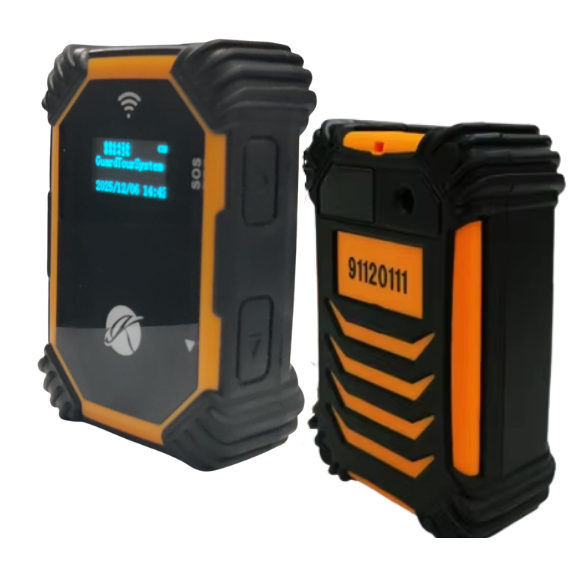
The most effective way to prevent fake patrol logs is to replace manual records with a Guard Patrol Monitoring System.
Checkpoint Scan
Each checkpoint has a unique digital identity.
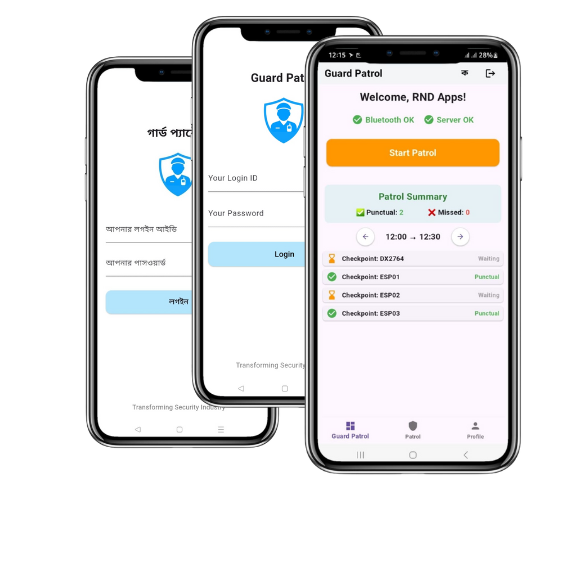
Device / App
Patrols are time-stamped automatically.

Cloud Server
Logs cannot be edited or back-dated.

Supervisor Dashboard
Missed or delayed patrols are detected instantly.
Verified Patrol
Every patrol is real, traceable, and accountable.
How Guard Patrol Monitoring
Prevents Fake Logs
- Guards must physically scan checkpoints to create logs
- Each scan records time, device, and checkpoint ID
- Data syncs to a central server automatically
- Supervisors view real-time and historical patrol data
This removes assumptions and replaces them with verifiable evidence.
Best Practices for Organizations
- Eliminate manual logbooks completely
- Deploy checkpoint-based patrol validation
- Monitor patrol exceptions, not just reports
- Use audit-ready digital records for accountability
Organizations that adopt verified patrol monitoring experience better discipline, lower risk, and stronger client confidence.
Conclusion
Fake patrol logs are not a guard problem—they are a system problem.
The only sustainable solution is a patrol process that makes falsification impossible.